Guide · Chainsaw Parts
Chainsaw Precautions Guide: What to Avoid Before Something Breaks
2,504 words · published 2026-09-26
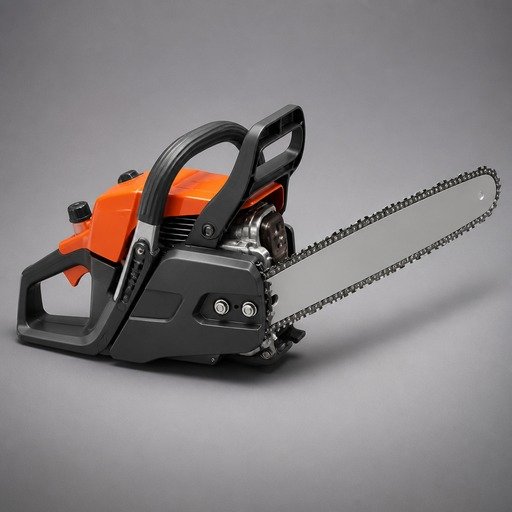
Machine class: petrol chainsaws only. This guide covers Stihl MS-class and Husqvarna 100–300 series class two-stroke chainsaws and similar machines. Brush cutters, blowers and trimmers have different fuel systems, cutting attachments and hazards — use the guide for your own machine class.
Safety disclaimer. This is general guidance, not a substitute for your machine's own manual. Where a precaution depends on a figure specific to your model — a mix ratio, a torque value, a gap or a clearance — the figure belongs to your manual, and we do not publish one that could be wrong for your saw. Work beyond your competence belongs with a qualified technician. Pentales Agro is an independent distributor with no Stihl or Husqvarna agency; brand names describe fitment only.
Most chainsaw damage is not caused by hard work. It is caused by a handful of habits: stale or wrongly mixed fuel, a chain tensioned like a bicycle chain, fasteners tightened until they strip, and a machine stored wet in a coastal climate. Every one of those is preventable, and this guide covers them in the order they cause trouble.
Fuel Handling and Storage
Petrol is the most dangerous substance in your workshop, and it is the one most people handle casually. Treat it accordingly.
Store fuel in a purpose-made container, sealed, in a cool, ventilated place away from the house, away from any ignition source, and never in a living space or a vehicle cabin. A plastic drinks bottle is not a fuel container: it is not designed for hydrocarbon, it softens and leaks, and its shape invites someone to drink from it. That last point is not hypothetical, and it is why fuel is never stored in anything that has ever held food or drink.
Never refuel a hot or running machine. A chainsaw's exhaust and cylinder reach temperatures well above the flash point of petrol vapour. Shut the engine off, set the saw down on bare ground clear of dry grass and leaf litter, and let it cool before opening the cap. Vapour, not liquid, is what ignites, and vapour travels along the ground.
Keep fuel away from the chain and bar oil. Mixing the two by accident produces a saw that will not start cleanly and a bar that will not be lubricated. Label your containers and use separate funnels. Never transfer fuel by mouth-siphoning a line.
Decant outdoors or at an open door, never in a closed room. Spilt fuel on a workshop floor is both a fire risk and a slip hazard, and it will dissolve the adhesive under any floor covering. Clean spills immediately with an absorbent material and dispose of it safely rather than washing it into a drain.
Keep no more fuel than you need. Petrol degrades in storage, so a large stock is a large liability that also happens to be poor fuel.
Two-Stroke Mixing and Fuel Quality
A two-stroke engine has no separate oil sump. The oil that lubricates its bearings and cylinder arrives dissolved in the petrol, which means the mix ratio is not a detail — it is the lubrication system.
The correct ratio is specific to your machine. Manufacturers differ, and ratios that are correct for one saw will destroy another. Check the ratio in your own machine's manual, or on the label the manufacturer applies to the machine, and use that figure rather than a number someone quoted. If you cannot find it, ask before you mix, because running a two-stroke on straight petrol will seize it within minutes and there is no repair that does not involve a new piston.
Use the right oil. Two-stroke oil intended for air-cooled engines is not the same as outboard or water-cooled two-stroke oil, which is formulated for a cooler running engine. A chainsaw is air-cooled and runs hot.
Mix in small batches and use it reasonably fresh. Fuel left in a can for months oxidises, loses its volatile fraction and separates, and varnishes the inside of a carburettor. Fuel left in the saw's tank does the same thing more slowly, and a saw stored with fuel in it over a wet season is a saw that will need a carburettor rebuild before it runs again.
Be careful with ethanol-blended petrol. Ethanol absorbs water from humid air and, over time, attacks some fuel lines, diaphragms and tank seal materials. In a coastal climate where air is moist year round, the safest practice is to buy small quantities, keep them sealed, and not to leave blended fuel standing in a machine.
Mix with the correct quantity, not a guess. If you are mixing a small batch, measure the oil rather than pouring by eye. An approximate mix is an approximate lubrication system, and leanness in oil is far more destructive than richness.
Chain Sharpening and Handling Hazards
A sharp chain cuts wood quickly and hands just as quickly. Almost every serious chainsaw laceration involves a chain that was being handled, tensioned, cleaned or moved rather than one that was cutting.
Wear gloves when you touch the chain at all — for sharpening, for tensioning, for clearing a jam, for lifting the saw. The cutters point backwards along the top of the bar, meaning that the natural motion of running a hand along the bar is the motion that opens a hand.
Never sharpen with the engine running. Isolate the machine first: stop the engine, engage the chain brake, and ideally disconnect the spark plug lead if you are working near the plug. A sharpening file slipping off a cutter is completely safe on a stopped saw and dangerous on a running one.
Work off the saw where you can. Clamping the bar in a vice, or using a sharpening guide that holds the tooth, keeps both hands away from the cutters. If you sharpen on the machine, engage the chain brake so the chain cannot move while you file.
Respect the file's direction. Filing pushes the file along the cutter edge, which can slip. Keep your fingers behind the file, not over the tooth, and stop when you are tired — a high proportion of file injuries happen at the end of a long sharpening session.
Use the correct file size and angle for your chain, and check the depth gauges as you go. A chain whose depth gauges have been filed too far down grabs aggressively and increases kickback risk. The correct file diameter and sharpening angle for your chain are specific to that chain's specification, and both are marked on the chain or in the manual for it.
Watch the bar tip during sharpening. A freshly sharpened saw is the most likely one to kick back on its first cut, so cut deliberately for the first few cuts and keep the nose out of the wood while you both get reacquainted.
Fasteners, Torque and Assembly Mistakes
Small two-stroke machines are built from light alloys, and light alloys strip and crack when fasteners are over-tightened. Most of the "impossible" repair jobs on a chainsaw begin with a fastener someone leaned on.
Respect that most of the bolts on a saw are small. Cylinder bolts, crankcase bolts, coil screws and muffler bolts all thread into aluminium or magnesium. They need to be nipped up firmly and evenly, not driven home with force. If you feel the fastener stop turning and then give slightly, you have already begun to strip it.
Use the correct driver. A slot-head screwdriver used on a cross-head screw chews the head and leaves a fastener you cannot remove. A worn or undersized Allen key rounds out a socket cap head in the same way. Use the correct size, in good condition, and never a driver that wobbles in the head.
Tighten in a cross pattern and in stages where a component is held by several fasteners — cylinder heads, crankcases and clutch covers are all like this. Working around the circle in small increments keeps the part flat. Tightening one bolt fully before its neighbours pulls the component out of alignment, and on a cylinder base or a crankcase that leads to an air leak.
Where a torque figure exists, it is model-specific and belongs to your manual. A torque wrench used with the wrong figure is worse than careful hand-tightening, because it lends false confidence. If you have the figure, use it; if you do not, tighten evenly and in stages and stop early rather than late.
Never use thread-locking compound on parts you will need to remove, and never use sealant in place of a gasket. A gasket seals over its whole face; a bead of sealer does not, and inside a crankcase it can also break off and be drawn into the engine.
Bar, Chain and Tensioner Mistakes
The bar and chain are where money and fingers are lost, and the mistakes are consistent.
Tensioning on a hot chain. Metal expands. A chain tensioned correctly while hot will be far too tight once it cools, loading the crankshaft bearing and the bar nose. Set tension on a cold chain, run the saw briefly, then recheck and adjust.
Over-tensioning. A chain should be snug against the bar's underside and pull around by hand with light drag. If you can barely move it, it is too tight. Over-tensioning is the single most common cause of a burnt bar nose, a stretched chain and a worn sprocket bearing.
Under-tensioning. A slack chain rides off the bar, damages the bar rails and can whip loose. A loose chain also hammers the sprocket. If your chain needs frequent re-tensioning, the chain has stretched past service or the sprocket is worn — replace the worn part rather than chasing tension.
Mismatched chain and bar. Pitch, gauge and the number of drive links must match the bar and the drive sprocket. A chain of the wrong gauge sits loosely in the bar groove, wears the groove out and can jump; a chain of the wrong pitch will not seat on the sprocket at all. Check the numbers stamped on the chain and match them, and never stretch a chain to fit.
Running a chain with missing or broken cutters. Rebuild the chain or replace it. A chain with a damaged cutter runs unevenly and increases kickback.
Cutting with a dull chain. This is more than slow work: a dull chain requires pressure, which produces heat, increases kickback risk, and wears the bar, the sprocket and the engine's clutch. Touch up the chain as soon as it stops pulling itself into the wood.
Neglecting bar oil. Run the saw dry of oil and the bar and chain will be destroyed within a very short time. Check the oil level every time you refuel, not once a day.
Storage in a Humid, Salt-Air Climate
Mauritius combines high humidity, salt-laden air near the coast and a long wet season. That combination attacks stored machinery in ways that a dry continental climate does not, and it is why so much equipment here fails at the fuel system and the fasteners rather than the engine.
Empty the fuel system before long storage. Drain the tank and run the engine until it stops from fuel starvation. Fuel left in a carburettor for a wet season evaporates and leaves varnish that blocks the metering passages, and that is a carburettor rebuild rather than a clean-up.
Fog the cylinder if the machine will be stored for months. A small quantity of two-stroke oil poured into the plug hole, with the engine turned over a few times by hand, coats the bore and rings against corrosion. Corroded rings seize to the bore, and a saw that has seized in storage needs a full top-end rebuild — a far worse outcome than the ten minutes this takes.
Clean the machine before storing it, not after. Sawdust and cane trash hold moisture against metal. Wipe down the bar, clean the air filter housing, and clear debris from around the clutch and the cooling fins. A blocked cooling fin path is a common cause of overheating when the machine comes back into use.
Protect bare metal. A light film of oil on the bar, the chain and any exposed steel fasteners will hold salt air off them. Store the saw with the bar and chain oiled and the chain slackened slightly, because a chain left tensioned for months takes a set.
Store it up off the floor, under cover but ventilated, and not wrapped in a plastic bag. A sealed plastic bag traps condensation against the machine; ventilation lets it dry. Do not store it in a closed vehicle, where heat cycles and humidity create continuous condensation.
Check it before the season starts. The cyclone and cane seasons have predictable starting points, and servicing a machine in the quiet weeks before them is far cheaper than discovering a failed coil during a clearance job.
Pre-Start Checks That Prevent Damage
Two minutes before each use is the cheapest maintenance you will ever do, and it prevents most of the failures this guide describes.
Walk the saw over. Check the chain for tension and for damaged cutters, the bar for a free nose sprocket, the bar oil level, the fuel level, and the air filter for visible dust loading. Look for loose fasteners around the muffler and the handle, and for fuel or oil weeping at any joint.
Test the safety systems cold, before you start. With the engine off, confirm the chain moves freely by hand, then engage the chain brake and confirm it locks the chain. Check the throttle trigger lock-out works and the master control switch moves to stop. These checks take seconds and they are the difference between a saw that fails safely and one that does not.
Then start it properly. On bare ground, clear of anything cuttable, with the bar and chain clear of your body. Never drop-start a chainsaw, and never start one while it is resting on your leg or against a log. Once running, let it idle and confirm the chain is stationary with the brake off; a chain that turns at idle means the idle speed or the clutch needs attention before you cut anything.
Fix small things immediately. A missing bar nut, a cracked fuel line, a chain that needs the tensioner adjusted twice in ten minutes — each of these is a small job now and an expensive one later. A chainsaw is a machine that punishes neglect quickly, and the parts that fail are almost always the parts that were showing a warning.
Parts for Stihl-class and Husqvarna-class chainsaws — carburettor kits, fuel and oil filters, fuel lines, chains, bars, sprockets and fasteners — are listed in our chainsaw parts catalogue. Where a precaution on your machine needs a figure, such as a mix ratio or a torque value, take it from your own machine's manual: it is model-specific and we do not publish a number that could be wrong for your saw.
Browse Chainsaw Parts · Ask us about a repair · All 13 guides
Pentales Agro is an independent distributor. We hold no Stihl or Husqvarna agency, and brand names appear only to describe which machines a part fits.